When a gel manicure starts lifting at the edges or you see a noticeable gap of new growth near the cuticle, those are clear signals that your semi-permanent polish has run its course. While you might be tempted to let it go for another week, leaving lifted polish on creates pockets where moisture collects, which can lead to bacterial or fungal infections. At that point, it’s far better to plan a fresh new manicure than to risk the health of your natural nails.
For most people, semi-permanent polish should be removed every two to four weeks. If your nails grow quickly, you might need to remove it as soon as a week or ten days. Even without visible lifting, be aware that products like builder gel can weaken the nail structure and shift the apex as your natural nail grows out, so a refresh every two to three weeks maintains strength and looks.
There are two main ways to remove gel polish at home: the acetone soak method and using an electric file (e-file). Each has its strengths, and the best choice depends on your budget, skill level, and how quickly you want to get the job done.
Method 1: Acetone Soak (Foil Wrap Technique)
This method requires the most patience but is the gentlest for your nails when done correctly. Because it uses time instead of friction, the risk of accidentally filing into your natural nail plate is very low.
What You’ll Need
- 100% pure acetone (regular polish remover will not break down gel)
- Cotton balls or pads
- Aluminum foil strips (about 3×3 inches)
- Nail file (180–240 grit)
- Cuticle pusher or orange wood stick
- Cuticle oil and hand cream
Step-by-Step Process
Start by lightly buffing the shine off the top of each nail. This breaks the seal of the top coat so that the acetone can penetrate the polish layers.

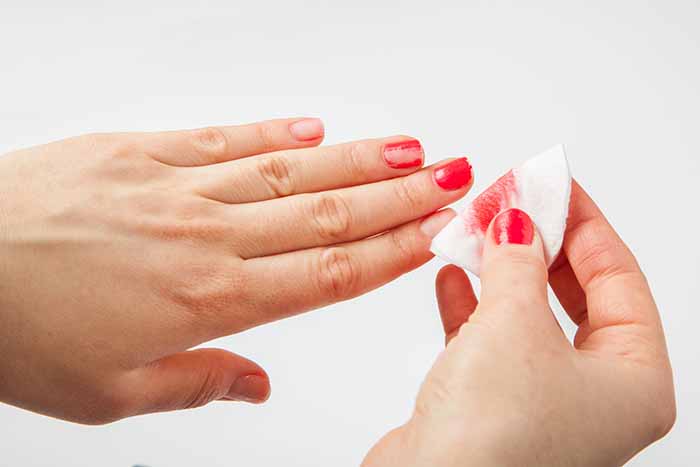
Next, saturate a cotton ball with pure acetone and place it directly onto your nail. Wrap the fingertip tightly with a piece of aluminum foil to hold the cotton in place, forming a sealed pouch that traps warmth and speeds up the chemical reaction. Repeat this for all ten fingers.
Let the wraps sit for 10 to 15 minutes. During this time, the acetone will dissolve the gel polish. Avoid peeking or lifting the foil early — each time you break the seal, you release the acetone vapor and slow the process.
After about 12 minutes, unwrap one finger. Using a cuticle pusher or wooden stick, gently push the softened gel from the cuticle area toward the free edge. The product should slide off easily without any effort. If the gel resists, rewrap that finger and wait another five minutes.
Never use force or scrape aggressively. If you have to scrape, you haven’t waited long enough — forcing the product off will tear layers off your natural nail and leave them thin and sensitive.
Once all the gel has been removed, lightly buff away any remaining residue, wash your hands thoroughly, and finish by massaging cuticle oil into every nail. Acetone is extremely drying, so this last step is essential.
Method 2: Electric File (E-File)
An e-file removes gel polish by gently filing it off layer by layer. This method is faster than acetone soaking and leaves nails completely fresh and ready for a new set, but it does require skill and practice to avoid damaging the natural nail plate.
What You’ll Need
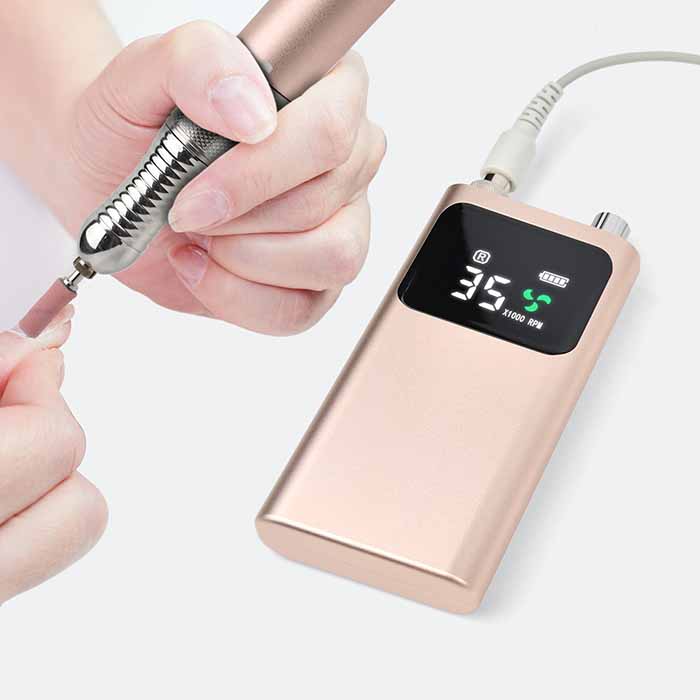
- Electric nail file with adjustable speed
- Ceramic or carbide removal bit (safety bits with rounded tops are best for beginners)
- Dust brush
- Cuticle oil
Step-by-Step Process
Set your e-file to a speed between 15,000 and 25,000 RPM. This may sound high, but a low speed can actually cause the bit to bump and catch on the nail rather than gliding smoothly.
Hold the handpiece like a pencil and rest your pinky finger against the table or your other hand to stabilize your grip. Use light, even strokes — never press down. Let the spinning bit do all the work.
Start at the cuticle area, using the “belly” of the bit, and pull toward the free edge in one long, smooth stroke. Keep the bit moving constantly and never stop in one spot for more than a second, as friction will build heat quickly.
As you file, pay attention to the color of the dust. When you see colored dust, you are still removing the gel polish. Once the dust turns white or clear, you have reached the base layer and should stop immediately. You are not trying to file down to your natural nail — instead, leave a thin, clear layer of base product on the plate to protect it.
After removing about 90% of the color, switch to a hand file or buffer to smooth out any remaining patches, then wash your hands and apply cuticle oil.
Which Method Is Right for You?
| Acetone Soak | Electric File |
| Gentle on nails; low risk of damage | Fast; removes product in minutes |
| Requires patience (15–20 minutes) | Requires practice and a steady hand |
| Affordable; no special equipment needed | Higher initial cost for a quality e-file |
| Slightly messy with foil wraps | Dusty; requires cleanup |
| Ideal for beginners | Best for confident DIYers with some training |
No matter which method you choose, always finish with cuticle oil and give your nails a brief rest before applying your next set. A balanced routine that includes breaks between applications keeps your nails healthy and ready for your next perfect manicure.
Read also: Semi-Permanent Nail Polish: The Complete Guide to Long-Lasting Shine